HomeIndustriesFood & Beverage

Industries We Serve

Commercial Flooring for Food & Beverage Facilities in Kansas City and Springfield.

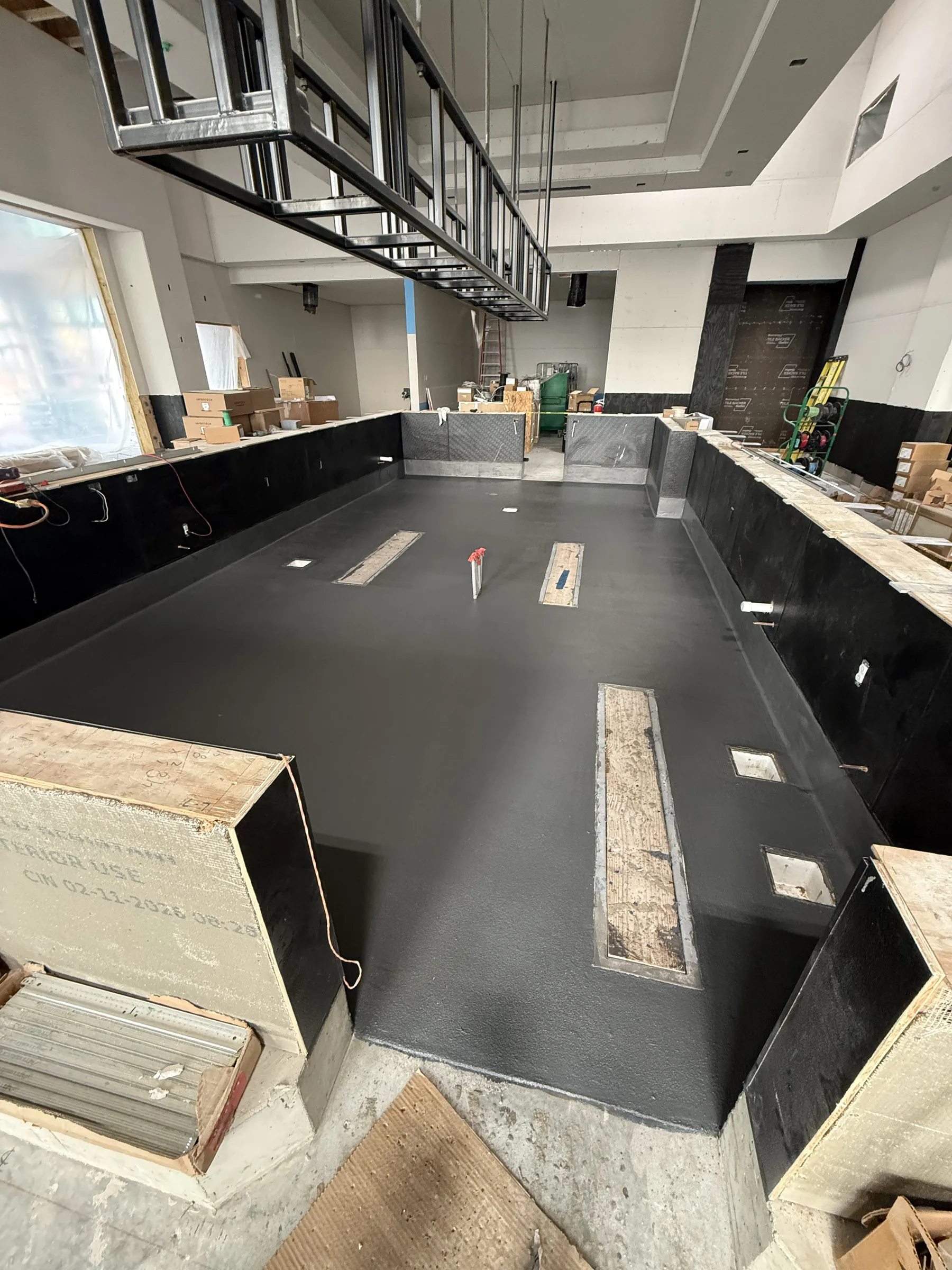
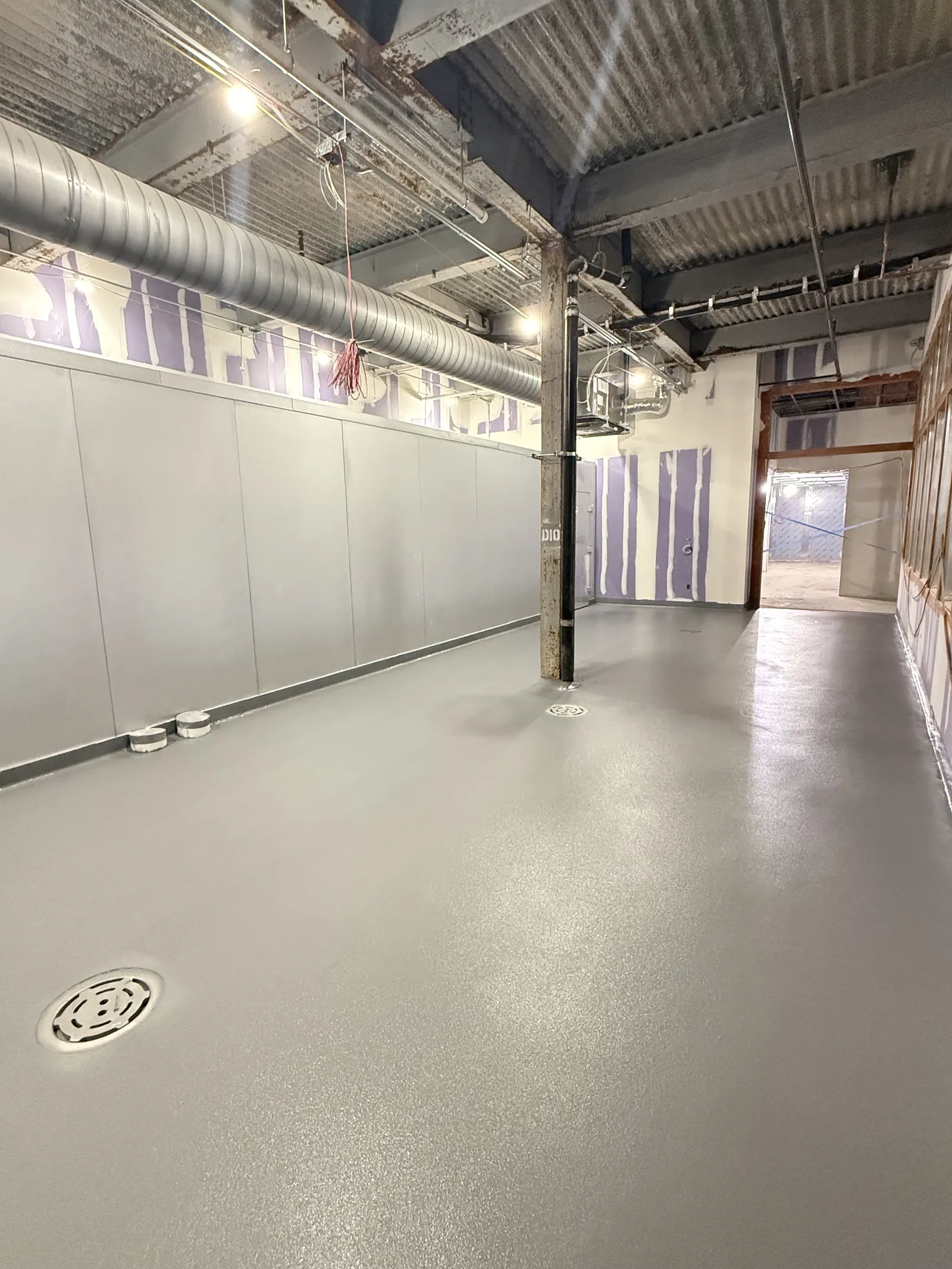
Regional food processors, pet food manufacturers, breweries, multi-location restaurants, and commercial kitchens. We install epoxy and urethane cement flooring systems that meet USDA and FDA sanitation requirements, withstand thermal shock, and hold up to daily caustic washdowns.

Project in this category? An owner will personally review your quote.

If you operate any of the following facility types in Kansas City, Springfield, or the Midwest, this page is written for you:

Why Generic Epoxy Fails Here

Food & Beverage Facilities Punish Floors Harder Than Almost Any Other Commercial Environment.

Daily hot washdowns followed by cold-water rinses cause thermal shock that delaminates standard epoxy systems. Caustic sanitizers and acidic ingredients chemically attack coatings not formulated for the exposure. USDA and FDA sanitation requirements demand seamless, non-porous surfaces with integral cove bases — not patched-together systems with grout joints harboring bacteria.

And the operational reality: most F&B facilities can’t afford a five-day shutdown for installation. Downtime is revenue loss, and sometimes contractual penalties.

Most generic commercial epoxy systems aren’t built for any of this. That’s why so many F&B floors fail at 18 months when they should have lasted ten years.

The System Decision

There’s No Single ‘Food-Grade’ System That’s Right for Every F&B Facility.

There are several. The right one depends on your specific operating conditions — thermal cycling, chemical exposure, traffic loads, downtime tolerance, and budget. This is what we figure out during the site survey.

When thermal cycling is severe

Urethane Cement

When your facility has heavy thermal cycling — hot washdowns, frequent steam cleaning, freezer-to-prep transitions — urethane cement is almost always the right call. It handles thermal shock that destroys epoxy, resists almost every chemical you’ll encounter, and meets USDA and FDA requirements.

Trade-off: highest cost per square foot. For breweries, dairy processing and pasteurization rooms, meat plants, pet food extrusion and cooking lines, and high-output commercial kitchens, that cost is justified by service life. For a small back-of-house dish area, it usually isn’t.

When the environment is wet but not thermally extreme

Heavy-Duty Epoxy with Chemical-Resistant Topcoat

For moderate-traffic restaurant kitchens, packaging areas, and dry storage, a properly specified epoxy system with the right topcoat handles the job at a fraction of the cost.

The catch: the wrong epoxy system in a wet environment fails fast. The word that matters here is properly specified.

When daily washdown is the reality

Polymer-Modified Mortar Systems

For facilities where daily washdown is the operational reality — meat processing areas, dairy filling and packaging rooms, pet food processing and packaging lines, large bottling lines, heavy production areas — polymer-modified mortars with quartz or carbide aggregates handle constant moisture, caustic cleaners, and impact loads at a level standard urethane cement and epoxy systems can’t match. The aggregate-loaded surface also provides slip resistance critical in a wet environment.

When food-safe meets visually intentional

Decorative Quartz Broadcast Systems

When you need food-safe and visually intentional — a brewery taproom that doubles as customer-facing space, a high-end commercial kitchen visible to diners — quartz broadcast gives you a non-porous, sanitary, professional finish that withstands the back-of-house demands.

Ready when you are

Think this is the right fit? Let's talk numbers.

Get a real budget range for your project, or skip ahead and talk to an owner directly. Either way, we'll personally review every request.

Compliance & Standards

Specified to Meet the Codes That Matter for Your Facility.

Every system we install in a food and beverage environment is specified to meet:

Every project closes out with manufacturer specification sheets, installation records, and compliance documentation suitable for inspector review.

Downtime & Scheduling

Most F&B Facilities Can’t Shut Down for a Week. We Work Around Your Operations.

During the site survey we’ll discuss your downtime tolerance and structure the project accordingly. Three approaches we use most often:

Approach 1

Phased installation

We install in zones, allowing partial operations to continue while one area is offline. Most common approach for restaurants, multi-line processors, and brewery operations.

Approach 2

Weekend and overnight installs

Fast-cure systems allow installation on a Friday night with the facility back in operation by Monday morning. Higher cost, lower revenue impact.

Approach 3

Holiday-window scheduling

Many food processors run reduced-staff weeks at predictable times. We schedule major installs into those windows to minimize operational impact.

How We Work With F&B Clients

Every Project Starts With a Site Survey by an Owner.

Michael or Colby personally walks your facility, evaluates your concrete, asks about your operations and downtime constraints, and recommends the right system based on what they see — not what’s most profitable to sell.

Read about our diagnostic-first process

Ready to Start?

Planning a New Build, Retrofit, or Replacement F&B Project?

Schedule a site survey. We’ll walk your facility, assess your concrete, and recommend the right system for your operations and budget. Forty-five minutes of an owner’s time, no obligation.

Or schedule a site survey directly ›